Insights
A New Dawn for Precision Oncology: Why The African Cancer Atlas is a Game-Changer

Alliance for Healthtech
Alliance Admin
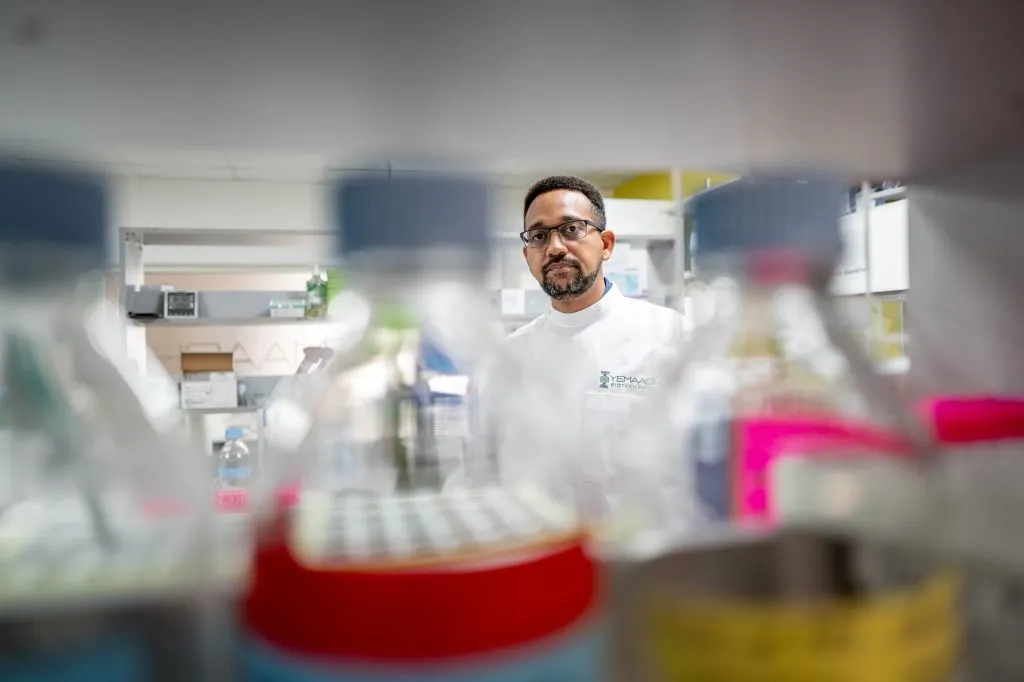
The African Cancer Atlas has officially made recruitments of patients for a groundbreaking initiative. Spearheaded by Ghana’s Yemaachi Biotech, TACA is set to create the world’s most diverse cancer genomic database. With crucial support from Roche’s African Genomics Program (AGP), TACA aims to bridge critical data gaps in global cancer research and bring the promise of precision oncology closer for everyone, everywhere.
“African genomic data currently represents less than 2% of global datasets, despite Africans comprising 17% of the world’s population and possessing the world’s most diverse genomes.”
One of the most significant hurdles in inclusive oncology research is the stark underrepresentation of African data in global genomic databases. The realization that such vital data wouldn’t be generated organically by Africa’s often under-resourced health systems provided the fundamental rationale for establishing Yemaachi.
This scarcity has tangible and concerning consequences. There is growing evidence that the efficacy of many therapeutic and diagnostic solutions for cancer are influenced by the genetic ancestry of the specific individuals receiving these solutions, and many precision solutions are least effective in people of African descent. This disparity stems directly from the severe underrepresentation of people of African descent in most existing genomic databases. Consequently, many current diagnostic and therapeutic targets are less common in African populations, limiting the efficacy of these solutions where they are desperately needed.
However, simply building a database isn’t enough, to diversify precision oncology, African data must be included in global pharma and biotech research pipelines. Beyond filling a data gap TACA is creating a model for inclusive and equitable research. This new consortium, led by an African company working closely with global pharma, not only provides evidence of the importance of Africa’s genomic diversity to understanding cancer and developing innovative treatments globally, but also emphasizes the importance of African leadership to the long-term success and sustainability of such initiatives.

In the short term, TACA will establish the first and most comprehensive clinico-genomic cancer database in Africa. This will significantly advance more inclusive cancer research both on the continent and globally. It will result in a lasting impact on healthcare equity, redefine the role of African genomics in shaping the future of precision medicine, and provide a compelling rationale for increased investment in life science research in Africa and for the inclusion of African data in global drug discovery efforts.
A key benefit of TACA, and one that Dr. Bediako is particularly proud of, is its accessibility for African researchers. “The cost of sequencing is often a significant impediment to locally based genomics research,” he notes.
“What I am most proud of about TACA is the fact that African-based researchers will have free access to the database. It is our hope that this data will serve as a catalyst for groundbreaking cancer research performed on the continent.”
Beyond the research, TACA provides an invaluable opportunity to foster greater engagement of local communities in genomics-based research, ultimately promoting crucial cancer screening and early detection efforts.
The work being done by Yemaachi Biotech through TACA, supported by Roche AGP, promises to lead to significantly better health outcomes for cancer patients in Africa and around the world. The Ghana HealthTech Alliance celebrates this commitment to African-led genomic research and the pursuit of equitable healthcare for all.